
significance of solder mask in Pcb assembly services
The significance of solder mask in PCB assembly services cannot be overstated, as it plays a critical role in ensuring the reliability, performance, and longevity of printed circuit boards (PCBs). Solder mask, also known as solder resist, is a protective layer applied to the surface of PCBs to insulate conductive traces and pads from solder during the assembly process. Its primary function is to prevent solder bridging, short circuits, and other solder-related defects, thereby enhancing the quality and integrity of PCB assemblies.
One of the key benefits of solder mask in PCB assembly services is its ability to prevent solder bridging between adjacent conductive traces or pads. During the soldering process, solder paste is applied to the exposed metal surfaces of the PCB, including the conductive traces and pads. Without solder mask, there is a risk that solder may flow between closely spaced traces or pads, causing electrical shorts or connections where none are intended. Solder mask acts as a barrier, preventing solder from adhering to areas where it is not needed, thus minimizing the risk of bridging and ensuring the proper electrical isolation of individual circuit elements.
Moreover, solder mask enhances the reliability and durability of pcb assembly services by providing protection against environmental factors such as moisture, dust, dirt, and contaminants. The application of solder mask creates a protective barrier that seals the exposed metal surfaces of the PCB, preventing corrosion, oxidation, and other forms of degradation that can compromise the performance and longevity of electronic devices. By shielding sensitive circuitry from external elements, solder mask helps maintain the electrical integrity and operational stability of PCB assemblies in various operating environments.
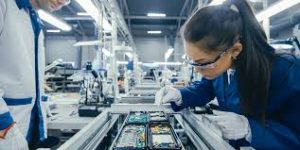
What is the significance of solder mask in Pcb assembly services?
Furthermore, solder mask improves the manufacturability and assembly process of PCBs by facilitating automated soldering and inspection techniques. With solder mask applied to the PCB surface, automated equipment such as solder stencils, pick-and-place machines, and soldering robots can operate more efficiently and accurately, reducing the risk of errors and improving production yield. Additionally, solder mask enhances the visibility of solder joints during inspection by providing contrast against the PCB substrate, making it easier to detect and diagnose solder-related defects.
Additionally, solder mask enables the implementation of advanced PCB designs with smaller, denser, and more complex layouts. As electronic devices continue to shrink in size and increase in complexity, the spacing between conductive traces and pads on PCBs becomes tighter, posing challenges for soldering and assembly processes. Solder mask helps mitigate these challenges by providing insulation and separation between closely spaced conductive elements, allowing for higher packing densities and finer pitch components without sacrificing reliability or manufacturability.
Moreover, solder mask enhances the aesthetics and professional appearance of PCB assemblies by providing a uniform, protective coating that covers and hides the underlying metal traces and pads. The application of solder mask not only improves the visual appeal of PCBs but also helps prevent solder splatter, flux residue, and other unsightly blemishes that can detract from the overall quality and perception of electronic products. By enhancing the cosmetic appeal of PCB assemblies, solder mask contributes to the overall brand image and customer satisfaction of electronic devices.
In conclusion, solder mask plays a crucial role in PCB assembly services by providing insulation, protection, reliability, manufacturability, and aesthetics to printed circuit boards. As an essential component of the assembly process, solder mask helps prevent solder bridging, enhances environmental resistance, facilitates automated assembly and inspection, enables advanced PCB designs, and improves the overall quality and appearance of electronic products. By understanding the significance of solder mask and its impact on PCB assemblies, manufacturers can ensure the production of high-quality, reliable, and visually appealing electronic devices that meet the evolving needs and expectations of customers.