
role of solder paste inspection sPI in Printed circuit assembly services
Solder paste inspection (SPI) plays a crucial role in the realm of Printed Circuit Assembly (PCA) services, contributing significantly to the quality and reliability of electronic devices. In the intricate process of PCB assembly, where precision is paramount, SPI serves as a critical checkpoint, ensuring that solder paste deposition meets the required standards. As electronic components become smaller and more densely packed, the accuracy of solder paste application becomes increasingly vital, making SPI an indispensable part of modern PCB manufacturing.
At its core, SPI involves the examination of solder paste deposits on printed circuit assembly services before components are placed and soldered onto them. This inspection process utilizes advanced imaging technology, typically involving cameras and software algorithms, to analyze the quality and consistency of solder paste distribution across the PCB’s surface. By inspecting factors such as volume, height, and alignment of solder paste deposits, SPI systems can detect defects and inconsistencies early in the assembly process, preventing costly rework and ensuring the integrity of the final product.
One of the primary roles of SPI is to identify defects in solder paste deposition that could compromise the electrical and mechanical connections within the finished PCB assembly. Common defects detected by SPI include insufficient solder paste volume, misalignment of deposits, bridging between pads, and solder balls or voids. Detecting these defects early allows manufacturers to take corrective actions promptly, such as adjusting stencil aperture sizes, optimizing printing parameters, or cleaning the stencil, thereby improving overall process efficiency and product quality.
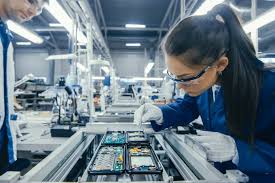
What is the role of solder paste inspection sPI in Printed circuit assembly services?
Moreover, SPI serves as a valuable tool for process optimization and quality control in PCB assembly. By providing real-time feedback on solder paste deposition quality, SPI systems enable manufacturers to fine-tune their printing processes for optimal performance. Through statistical analysis of SPI data, manufacturers can identify trends, pinpoint root causes of defects, and implement preventive measures to minimize the occurrence of soldering issues, thereby enhancing process reliability and yield rates.
In addition to defect detection and process optimization, SPI contributes to the overall traceability and documentation of PCB assembly processes. By generating detailed inspection reports and capturing images of inspected PCBs, SPI systems create a comprehensive record of solder paste quality for each assembly batch. This traceability not only facilitates quality assurance and compliance with industry standards but also enables manufacturers to trace and address any quality issues that may arise during the manufacturing process.
Furthermore, SPI plays a vital role in supporting the transition to advanced manufacturing technologies such as surface mount technology (SMT) and miniaturization. As electronic devices continue to shrink in size and complexity, the demand for higher precision and reliability in PCB assembly grows. SPI systems equipped with high-resolution cameras and sophisticated algorithms are capable of inspecting ultrafine pitch components and micro-scale solder deposits, ensuring the integrity of solder joints in miniature electronic assemblies.
In conclusion, solder paste inspection (SPI) is an essential process in Printed Circuit Assembly (PCA) services, contributing to the quality, reliability, and efficiency of PCB manufacturing. By detecting defects, optimizing processes, ensuring traceability, and supporting advanced manufacturing technologies, SPI systems play a critical role in meeting the stringent requirements of modern electronics assembly. As the electronics industry continues to evolve, SPI will remain indispensable for achieving high-quality soldering and ensuring the performance and longevity of electronic devices.