
circuit board assembly
Circuit board assembly is a crucial process in the manufacturing of electronic devices, playing a pivotal role in bringing these devices to life. At its core, it involves the intricate arrangement of various electronic components onto a circuit board, creating functional electronic systems that power countless devices we use in our daily lives.
The process of circuit board assembly begins with the fabrication of the circuit board itself. This involves the creation of the board using materials such as fiberglass, epoxy, or composite materials. The board is typically designed using computer-aided design (CAD) software, which allows engineers to layout the circuitry and plan the placement of components.
Once the circuit board is fabricated, the assembly process can commence. This typically involves two main methods: through-hole assembly and surface mount assembly. Through-hole assembly involves the insertion of component leads through holes in the circuit board, which are then soldered to secure them in place. Surface mount assembly, on the other hand, involves mounting components directly onto the surface of the circuit board, eliminating the need for holes.
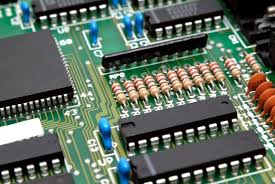
What is circuit board assembly?
Regardless of the assembly method used, precision is key. Each component must be placed with accuracy and care to ensure proper functionality of the final product. This often requires specialized equipment such as pick-and-place machines, soldering irons, and reflow ovens, which automate and streamline the assembly process.
One of the key advantages of circuit board assembly is its versatility. Circuit boards can be customized to meet the specific requirements of virtually any electronic device, whether it’s a smartphone, a computer, a medical device, or a household appliance. This flexibility allows manufacturers to create highly tailored solutions that meet the unique needs of their customers.
Moreover, circuit board assembly is essential for ensuring the reliability and durability of electronic devices. By carefully assembling components onto the circuit board and subjecting them to rigorous testing procedures, manufacturers can identify and rectify any potential issues before the final product reaches the consumer. This helps to minimize the risk of defects and malfunctions, enhancing the overall quality of the product.
In addition to its role in manufacturing consumer electronics, circuit board assembly also plays a crucial role in various other industries, including automotive, aerospace, telecommunications, and industrial automation. In these sectors, circuit boards are used in a wide range of applications, from control systems and sensor networks to data processing and communication equipment.
As technology continues to advance, the demand for circuit board assembly is expected to grow. Innovations such as the Internet of Things (IoT), artificial intelligence (AI), and autonomous vehicles are driving the development of increasingly complex electronic systems, all of which rely on circuit boards for their operation.
In conclusion, circuit board assembly is a fundamental process in the manufacturing of electronic devices, enabling the creation of sophisticated systems that power our modern world. From smartphones and computers to cars and airplanes, circuit boards are the backbone of countless technologies, driving innovation and shaping the future of technology.