
Flexible Are Flex Rigid PCBs
The design decisions you make during the PCB layout process have lasting impacts on the performance, reliability and cost of your final product. Choosing the right rigid-flex or flex-rigid board for your application is one of those critical decisions. Rigid-flex PCBs are a versatile solution, but they do come with some extra complexity. To reduce the risk of unforeseen complications down the line, there are several rules to follow when designing your flex or rigid-flex circuit boards.
Flex PCBs can be used for almost any electronic device, but they are particularly useful in devices that require flexibility and space efficiency. They are especially useful in wearable technology like fitness trackers and smartwatches, as well as medical diagnostic equipment and IoT products. Rigid-flex circuit boards can be folded and twisted to fit into tight or irregularly shaped spaces, which helps to save space in the product’s packaging.
flex rigid pcb also have a unique advantage over other types of printed circuit boards, as they can be designed in 3D. This allows you to include complex features and connect components in ways that wouldn’t be possible with standard rigid-boards.
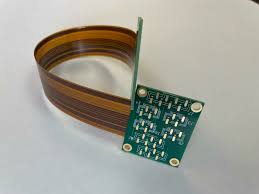
How Flexible Are Flex Rigid PCBs?
A flex PCB is a multi-layer board with copper traces and pads on both sides of the board. These traces are typically plated with gold to provide high-quality electrical connections. The traces are usually offset to prevent stress concentration on the edges during bending, and they should be designed with a gradual change in width to avoid sharp corners. These techniques are essential to ensuring that your flex or rigid-flex circuit board will bend and twist without damaging the traces or the substrate material.
Another key consideration when using a flex or rigid-flex PCB is that it should be designed to withstand thermal cycling and vibration. Vibrations can cause thermal expansion and contraction, which can lead to broken traces or cracked vias. Choosing materials with good thermal stability and low coefficient of thermal expansion, utilizing thermal management techniques like heat sinks and thermal vias, and optimizing trace widths, thickness, and copper plane configurations can help minimize these risks.
Other factors that can impact the reliability of a flex or rigid-flex circuit board include the bending radius, component placement, and surface finish. The bending radius should be within the manufacturer’s specifications to avoid damaging the conductive traces or the substrate material. Component placement can also be critical to a flex or rigid-flex circuit’s reliability, as the position and height of the components affect the stress on solder joints during flexing.
The surface finish of a flex or rigid-flex PCB can also impact its reliability and functionality. A smooth surface is easier to solder, and it can reduce the chance of shorts or corrosion. A smooth surface can also improve the performance of your flex or rigid-flex PCB in harsh environments. If you’re concerned about EMI, you can also add an electromagnetic interference (EMI) shielding film to selected areas of the PCB to increase its durability. PCBWay offers this option, but it does add to the manufacturing costs.