
printed circuit board assembly companies assemblies
Ensuring reliability in printed circuit board (PCB) assembly is paramount to the performance and longevity of electronic devices. Assemblies must withstand various environmental factors, mechanical stress, and operational conditions while maintaining functionality. Here are key strategies to ensure reliability in PCB assembly companies assemblies:
Firstly, meticulous design and layout are crucial. printed circuit board assembly companies designs should consider factors such as component placement, trace routing, and thermal management to minimize signal interference, optimize electrical performance, and enhance reliability. Employing design techniques like controlled impedance routing and proper ground plane design can mitigate signal integrity issues and reduce the risk of electrical failures.
Selecting high-quality components is another critical step. Use reputable suppliers and trusted brands to source components with proven reliability and performance. Conduct thorough testing and qualification procedures to ensure components meet specifications and are suitable for the intended application. Avoid counterfeit or substandard components, as they pose significant reliability risks and can compromise the integrity of the assembly.
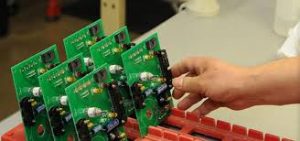
How do you ensure reliability in printed circuit board assembly companies assemblies?
Furthermore, adhere to industry standards and best practices throughout the assembly process. Follow guidelines established by organizations such as the IPC (Association Connecting Electronics Industries) to ensure compliance with quality and reliability standards. Implement rigorous quality control measures at every stage of assembly, including incoming inspection, component placement, soldering, testing, and inspection.
Utilize advanced manufacturing technologies and techniques to enhance reliability and consistency. Invest in state-of-the-art equipment, such as automated soldering machines, pick-and-place systems, and inspection tools, to improve precision, accuracy, and repeatability. Implement process controls and monitoring systems to identify and address potential issues proactively, minimizing defects and ensuring consistent quality.
Moreover, employ robust soldering processes to achieve reliable electrical connections between components and the PCB. Utilize appropriate soldering methods, such as reflow soldering or wave soldering, based on the assembly requirements and component types. Ensure proper solder paste application, reflow profile optimization, and thorough inspection to prevent solder defects like cold joints, solder bridges, or voids.
Conduct comprehensive testing and validation procedures to verify the functionality and reliability of assembled PCBs. Perform electrical testing, functional testing, and environmental testing to simulate real-world operating conditions and identify potential failure modes. Implement reliability testing protocols, such as thermal cycling, vibration testing, and accelerated aging, to assess the durability and robustness of assemblies over time.
Implement effective traceability and documentation systems to track the entire assembly process and facilitate traceability in case of issues or failures. Maintain detailed records of components used, manufacturing processes, testing results, and inspection findings to identify root causes of failures and implement corrective actions promptly. Establish clear communication channels and feedback loops to facilitate collaboration and continuous improvement across the organization.
Finally, prioritize ongoing maintenance, support, and customer service to address any issues or concerns that arise post-assembly. Offer warranty programs, repair services, and technical support to ensure customer satisfaction and uphold your reputation for reliability and quality. Continuously monitor field performance and customer feedback to identify areas for improvement and implement proactive measures to enhance reliability in future assemblies.
In conclusion, ensuring reliability in printed circuit board assembly companies assemblies requires a comprehensive approach that encompasses design, component selection, manufacturing processes, testing, documentation, and customer support. By following industry best practices, leveraging advanced technologies, and maintaining a relentless focus on quality and customer satisfaction, PCB assembly companies can deliver assemblies that meet the highest standards of reliability and performance.