
Prototype PCB Assembly Be Done at Home
PCB prototype assembly is a crucial step in the electronics design process. It helps verify real-world functionality and performance metrics of circuit board schematics, thereby mitigating risks before moving into large-scale production runs. In addition, it enables engineers and designers to quickly test and compare the performance of their boards with competing designs. However, achieving high-quality prototypes can be a challenge. Fortunately, there are a number of tips and tricks that can help make the process faster and more efficient.
The first step in prototyping a PCB is designing and preparing the files for fabrication and assembly. This includes creating a schematic, laying out the design in a PCB software, and generating Gerber files for manufacturing. It is also advisable to conduct a DFM check on the design before proceeding to prototype printed circuit board assembly.
Once the Gerber files are ready, the actual PCB is fabricated. The steps vary depending on the complexity of the design and the type of PCB. In general, a prototype PCB is made from aluminum or flexible PCBs. These are typically used to test component connections and verify the copper pads on a circuit board layout. In other cases, a strip board is used to test the component placement and connection between holes.
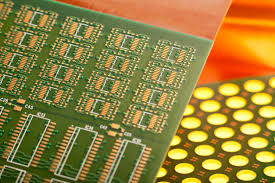
Can Prototype PCB Assembly Be Done at Home?
A thin steel solder stencil is laser cut with apertures that match the PCB’s component pads. Solder paste is then applied through these apertures to deposit precise amounts onto each pad. Individual components are then picked from reels or sticks using pick-and-place machines and accurately placed on the solder paste deposits. The entire assembly is then inserted into a reflow oven where the heated surfaces of the solder paste melt and form the necessary bonds to attach the components to the board.
During the prototyping process, it is a good idea to use a reputable EMS company that can handle all aspects of the prototype PCB assembly and testing process. This will enable you to save time and focus on other important tasks for your project. It will also allow you to leverage the EMS’s expertise in component procurement, vendor(s) coordination, and quality control. In addition, it will ensure that your project meets your budget and timeline requirements.
Once a prototype is assembled, it should be tested according to the reason for its creation. In most cases, this will involve comparing it with similar prototypes of competing products. This will help identify areas where the design can be improved and improve overall quality. It is also a good idea to test the prototype in its intended environment, such as a battery.
Competent prototype PCB assembly services offer a cost-effective and reliable way to test and evaluate electronic designs for function, safety, and quality. They can also be used to de-risk technological and manufacturing uncertainties. By partnering with a professional EMS, electronics companies and innovators can transform their ideas into functional prototypes with minimal cost and lead times. This is especially useful for products with significant redesigns that require extensive testing to determine if they can be made into a working product.