
printed circuit board manufacturerss be used in medical devices
Printed Circuit Boards (PCBs) have long been integral components in various electronic devices, facilitating the efficient flow of electrical signals. As technology advances, the use of PCBs is expanding into new domains, including the field of medical devices. The question arises: can printed circuit board manufacturers be used in medical devices?
The short answer is yes. PCBs play a crucial role in the functionality and performance of many medical devices, ranging from diagnostic equipment to implantable devices. Their versatility, reliability, and ability to support complex electronic systems make them well-suited for use in medical applications.
In the realm of medical diagnostics, printed circuit board manufacturers are found in devices such as ultrasound machines, X-ray equipment, and MRI scanners. These devices rely on sophisticated electronics to generate and process imaging data, and PCBs provide the necessary platform for integrating and controlling these components. By using PCBs manufactured to high standards of quality and reliability, medical equipment manufacturers can ensure the accuracy and consistency of diagnostic results.
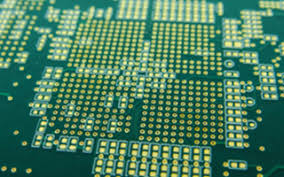
Can printed circuit board manufacturerss be used in medical devices?
Moreover, PCBs are essential components in monitoring and patient care devices, including ECG monitors, infusion pumps, and blood glucose meters. These devices often require compact and lightweight designs to maximize portability and patient comfort. PCB manufacturers can produce custom-designed boards that meet the specific size, shape, and performance requirements of these devices, enabling manufacturers to create innovative and user-friendly solutions for healthcare professionals and patients alike.
Implantable medical devices, such as pacemakers, defibrillators, and neurostimulators, represent another area where PCBs are indispensable. These devices rely on miniature electronics to deliver therapeutic interventions or monitor physiological parameters within the body. PCB manufacturers produce ultra-compact and biocompatible PCBs that can withstand the harsh conditions inside the human body while ensuring the reliability and longevity of these life-saving devices.
The use of PCBs in medical devices is subject to stringent regulatory requirements to ensure safety, reliability, and effectiveness. Manufacturers must adhere to standards such as ISO 13485 for quality management in the design and production of medical devices. Additionally, specific regulations, such as the FDA’s Quality System Regulation (21 CFR Part 820) in the United States, govern the manufacturing practices and documentation required for medical device components, including PCBs.
Despite these challenges, PCB manufacturers have demonstrated their ability to meet the demanding requirements of the medical device industry. By implementing robust quality control processes, using materials and manufacturing techniques suitable for medical applications, and maintaining compliance with relevant regulations, PCB manufacturers can provide medical device manufacturers with the assurance they need to incorporate PCBs into their products with confidence.
In conclusion, printed circuit board manufacturers play a vital role in the development and production of medical devices. Their expertise in designing and fabricating PCBs to meet the unique requirements of the medical industry enables the creation of advanced diagnostic, monitoring, and therapeutic devices that improve patient care and outcomes. As technology continues to advance, PCB manufacturers will continue to innovate and collaborate with medical device manufacturers to push the boundaries of what’s possible in healthcare.